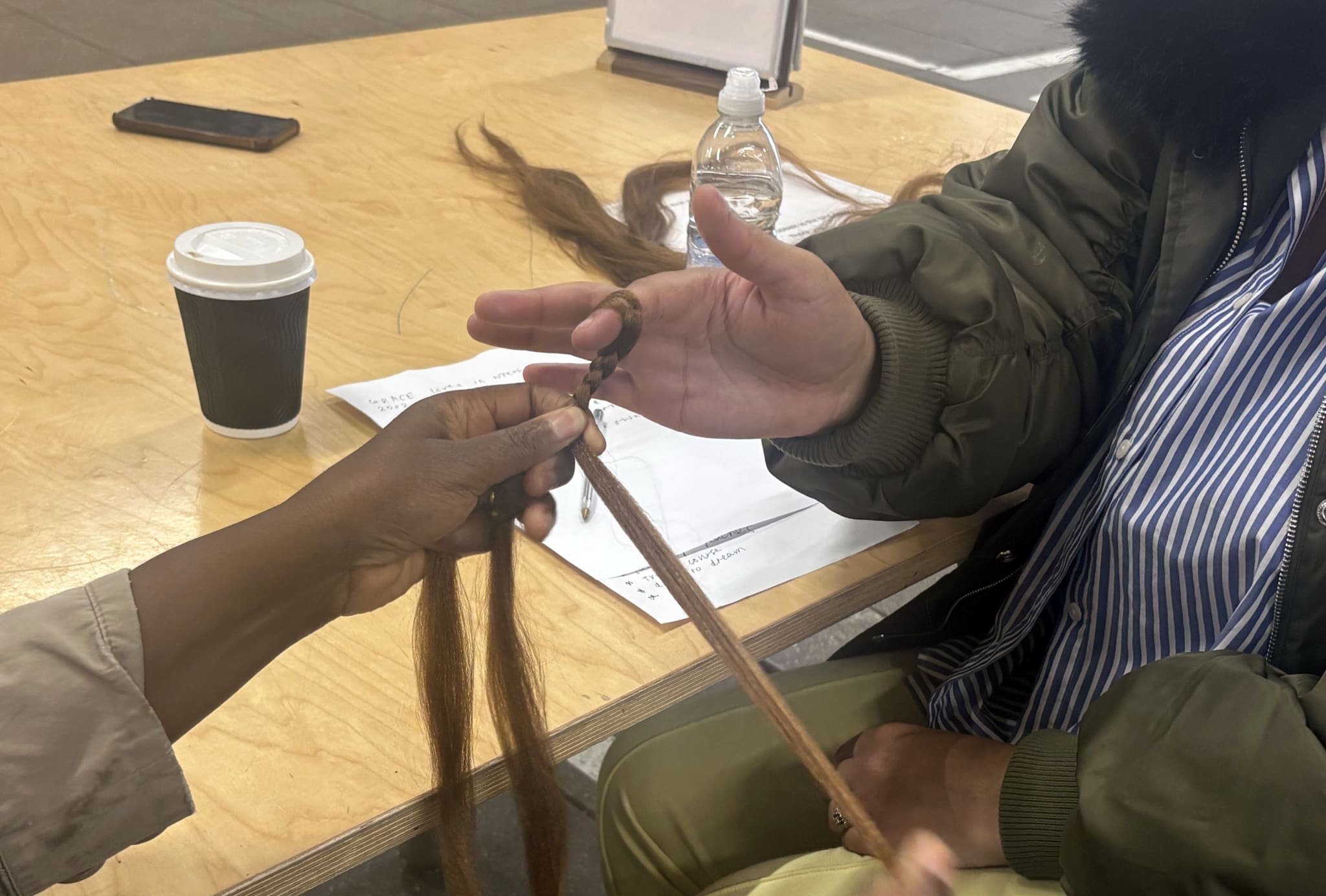
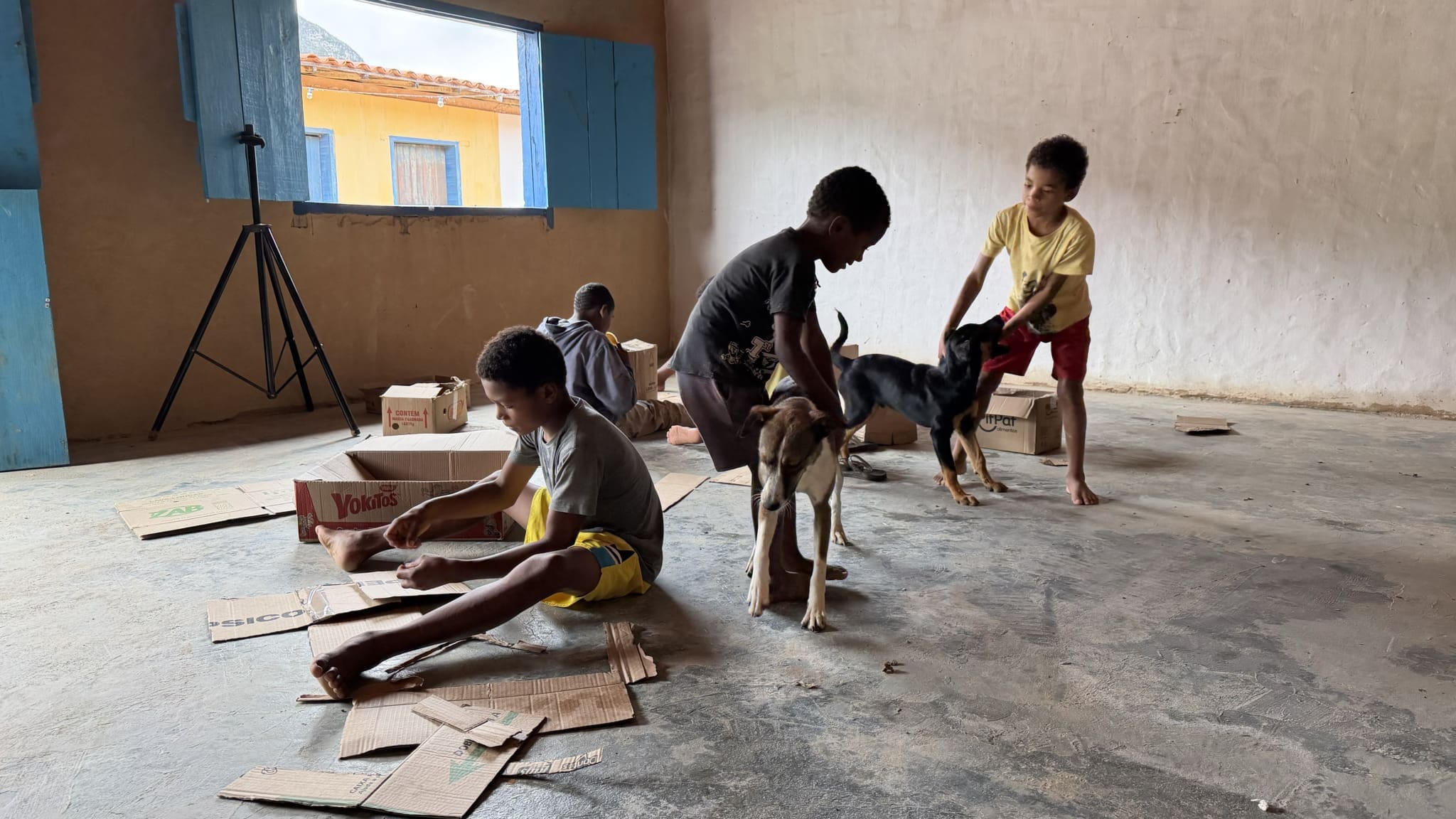
Rajyashri Goody
Unhatanhat no more, no longer Upashitapashi उन्हातान्हात नो मॉर, नो लॉगर उपाशीतापाशी (2026)
Rajyashri Goody’s Unhatanhat no more, no longer Upashitapashi unfolds as a sustained attention to how caste operates not only as a social structure, but as something that settles into the body through the most basic conditions of survival: food, water, rest, and access to space. Developed through workshops with 28 girls at the Bahujan Hitay hostel in Pune, the work moves between lived testimony and collective narration, tracing the passage from rural precarity into education as both emancipating and contested.
Goody’s methodology involves a deliberate act of cultural translation. She deconstructs Dalit women’s autobiographies and the girls’ own testimonies, reworking them into recipes. By shifting from the first-person “I” to a second-person “you” of address, the texts become a series of instructions that reveal the historic and systemic control of resources. The work does not simply recover past narratives, but creates a space in which subjectivities are revisited. Here, education offers a form of liberation, while still shaped by histories of exclusion written into texts such as the book Manusmriti, which denied Dalit communities the right to literacy.
The title draws from the Marathi prose of Shantabai Krushnaji Kamble, the author of the first female Dalit autobiography. The terms unhatanhat (the exhaustion and thirst of the harsh sun) and upashitapashi (the repetitive ache of hunger and fever) remain partially untranslated, retained in a hybrid Marathi-English form to preserve their rhythmic texture, resisting assimilation. This refusal of full translation echoes Stuart Hall’s attention to difference as something that cannot be fully resolved or assimilated, but instead persists within language and representation. The title is also a dedication: it gestures not toward the immediate conditions of the girls, but toward the labour and sacrifices of their parents, marking continuity across generations rather than rupture.
The final digital work, with voices reading in both Marathi and English, allows these narratives to intersect across time, complicating linear ideas of progress. In doing so, the work aligns with a broader insistence that history is not a closed past but an ongoing, uneven process. As Rajyashri Goody notes, “caste has not disappeared; it has merely morphed, and continues to impact everyday life in both visible and subtle ways.”
Rajyashri Goody
Rajyashri Goody was born in 1990 in Pune, India. She is currently based in Goa. Goody completed her BA in Sociology at Fergusson College in Pune in 2011, and an MA in Visual Anthropology at the Granada Centre for Visual Anthropology at the University of Manchester, UK in 2013. In 2023, she completed a two year residency at the Rijksakademie Van Beeldende Kunsten, Amsterdam.
Her research interests include food and water politics, religion, literacy and literature, mobility and place-making in the context of caste-based violence and Dalit resistance in India. She works with found objects, paper pulp, clay, text, photographs, printmaking, and performance.
Goody’s work has been presented at the Serendipity Arts Festival, Goa (2025, 2019); Bukhara Biennial (2025); Sao Paulo Bienal (2025); Sharjah Biennial (2025); Busan Biennale (2024); National Museum for Women in the Arts, Washington DC (2024); Asia Now, Paris (2023); Jogja Fotografis Festival, Yogyakarta (2023); Recontres de Bamako (2023); Galleryske, New Delhi (2022); Breda Photo (2022); Savvy Contemporary, Berlin (2022); Goethe Institut, Pune and Mumbai (2025, 2021).
Documentation
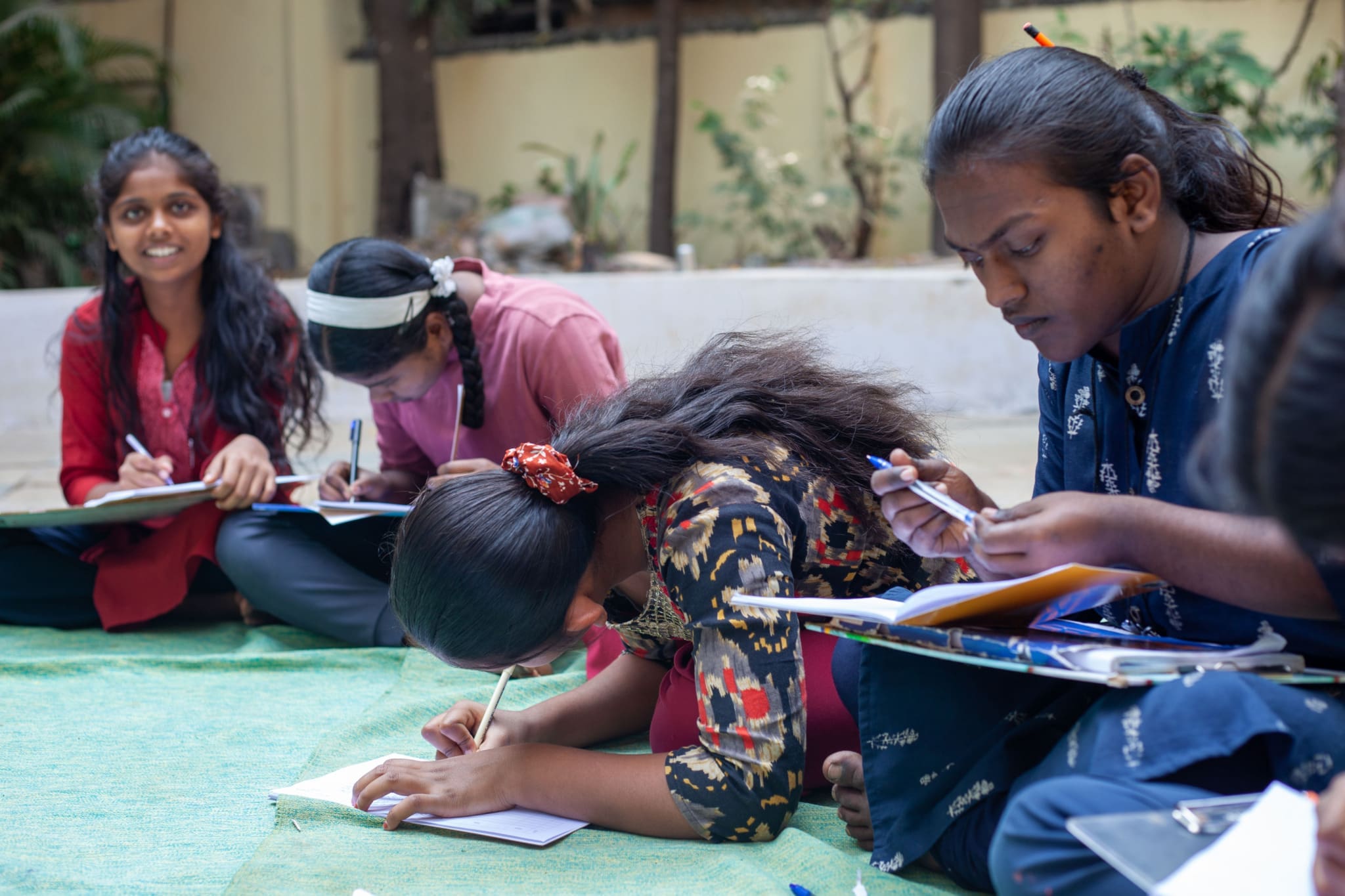
Documentation of the work ‘Unhatanhat no more, no longer Upashitapashi’ by Rajyashri Goody
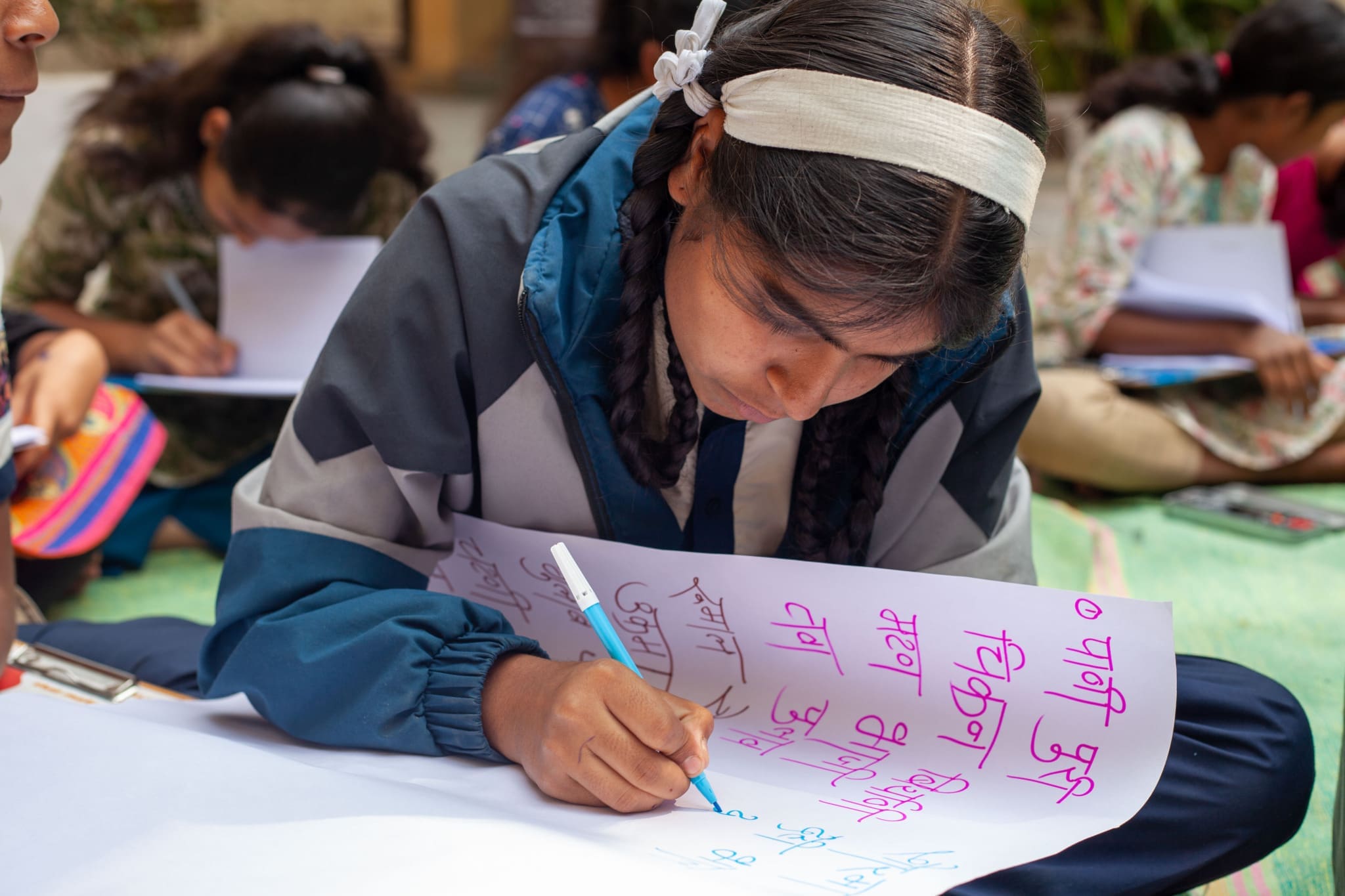
Documentation of the work ‘Unhatanhat no more, no longer Upashitapashi’ by Rajyashri Goody
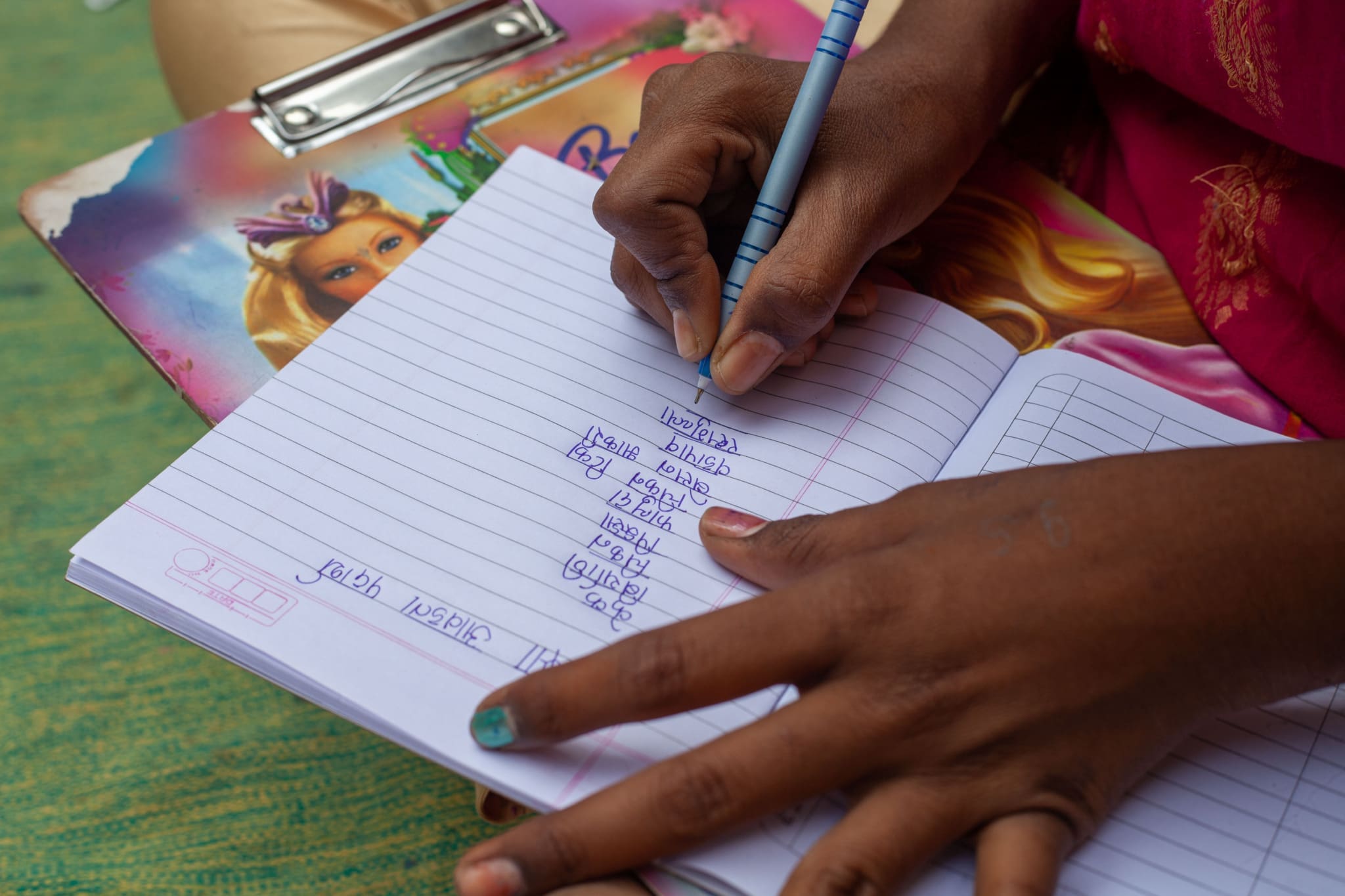
Documentation of the work ‘Unhatanhat no more, no longer Upashitapashi’ by Rajyashri Goody
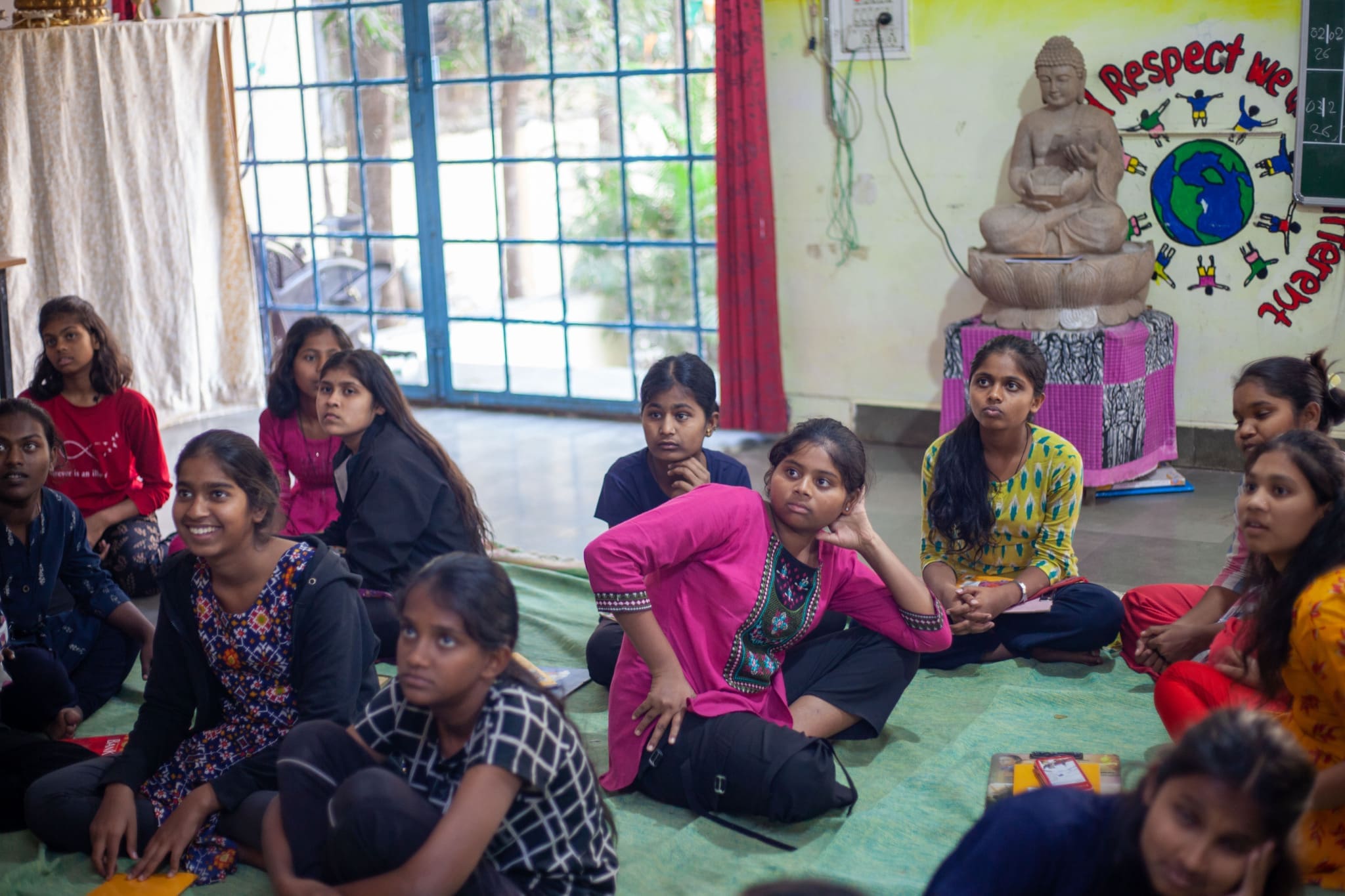
Documentation of the work ‘Unhatanhat no more, no longer Upashitapashi’ by Rajyashri Goody
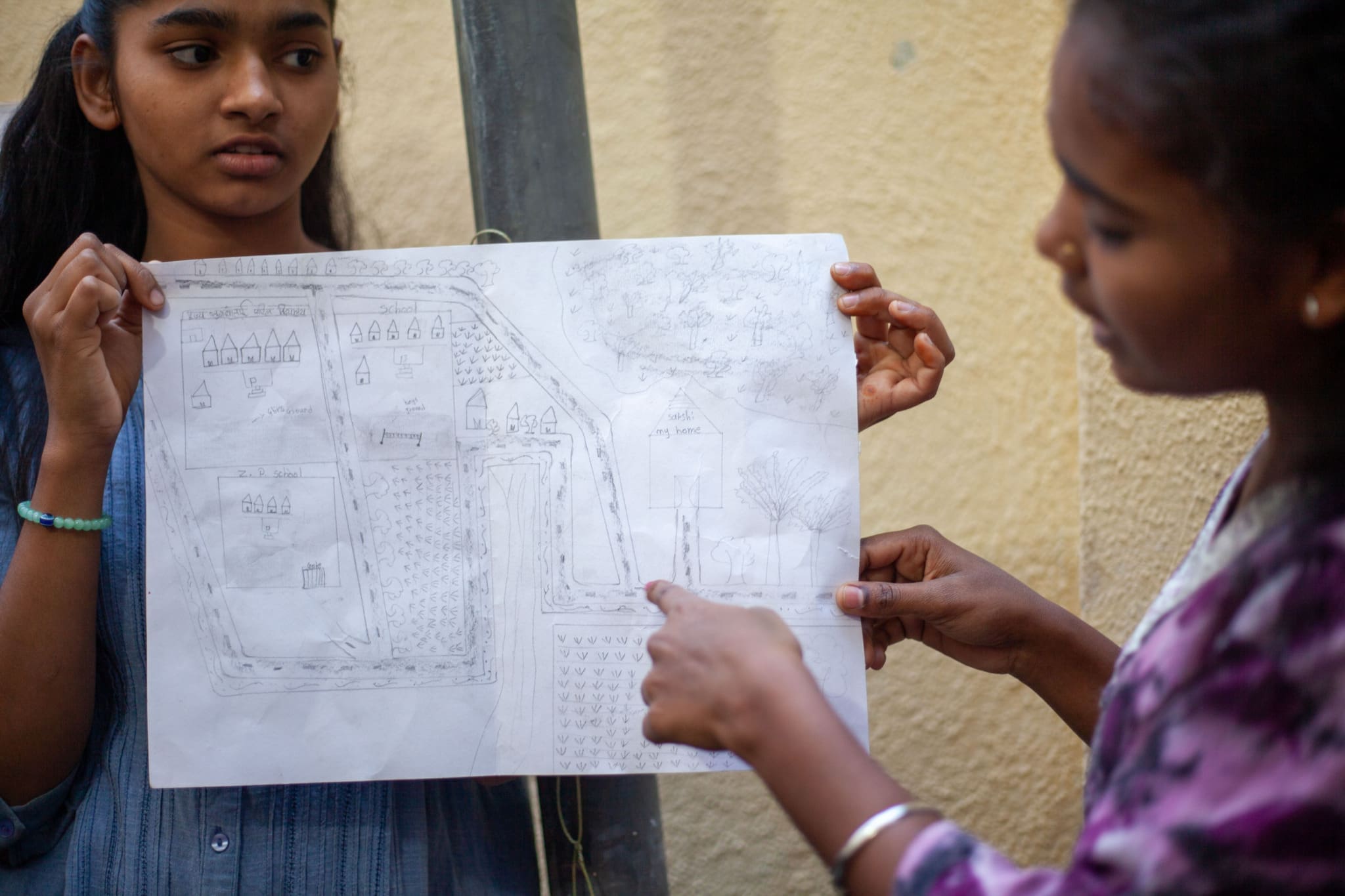
Documentation of the work ‘Unhatanhat no more, no longer Upashitapashi’ by Rajyashri Goody
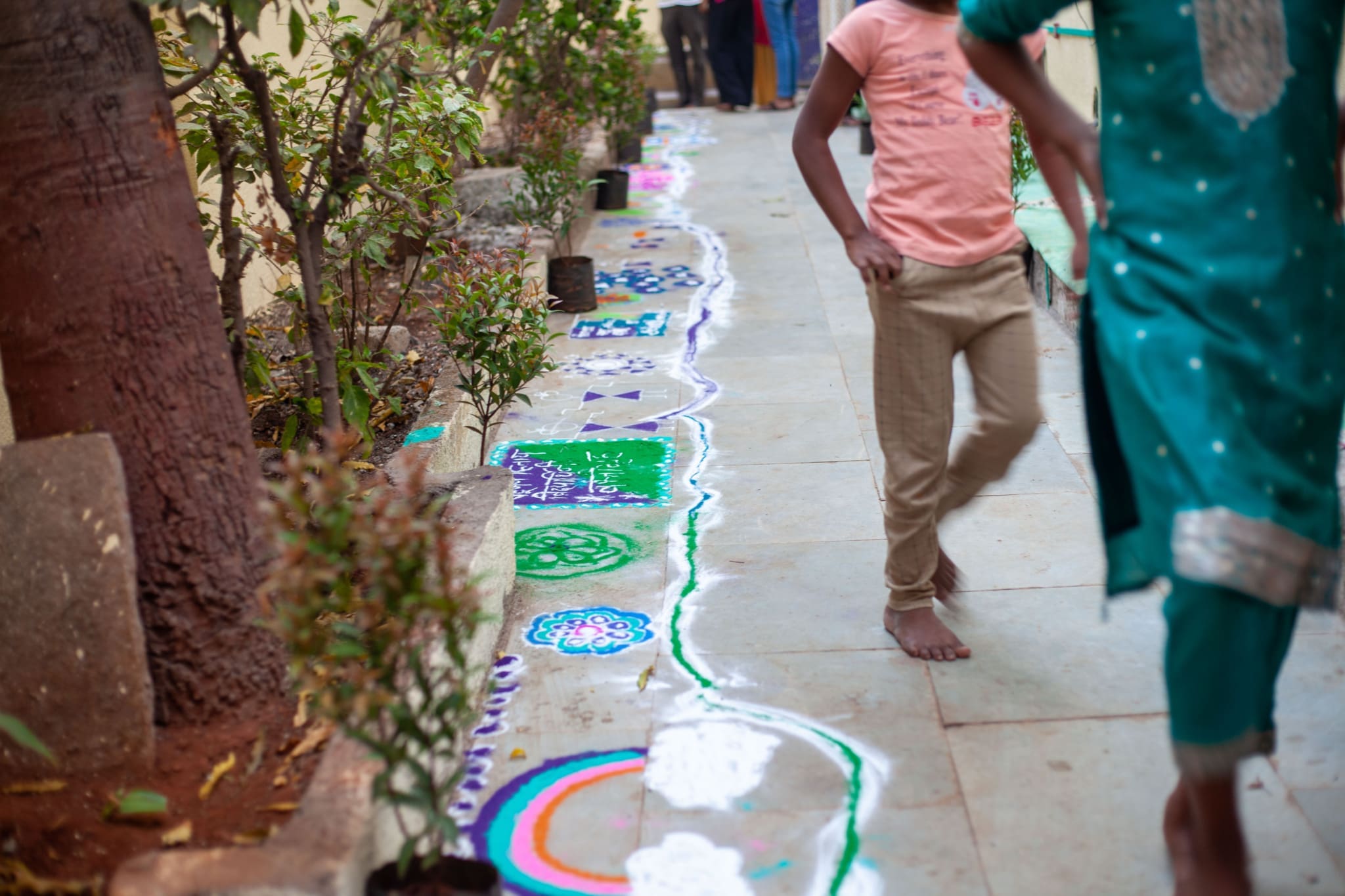
Documentation of the work ‘Unhatanhat no more, no longer Upashitapashi’ by Rajyashri Goody
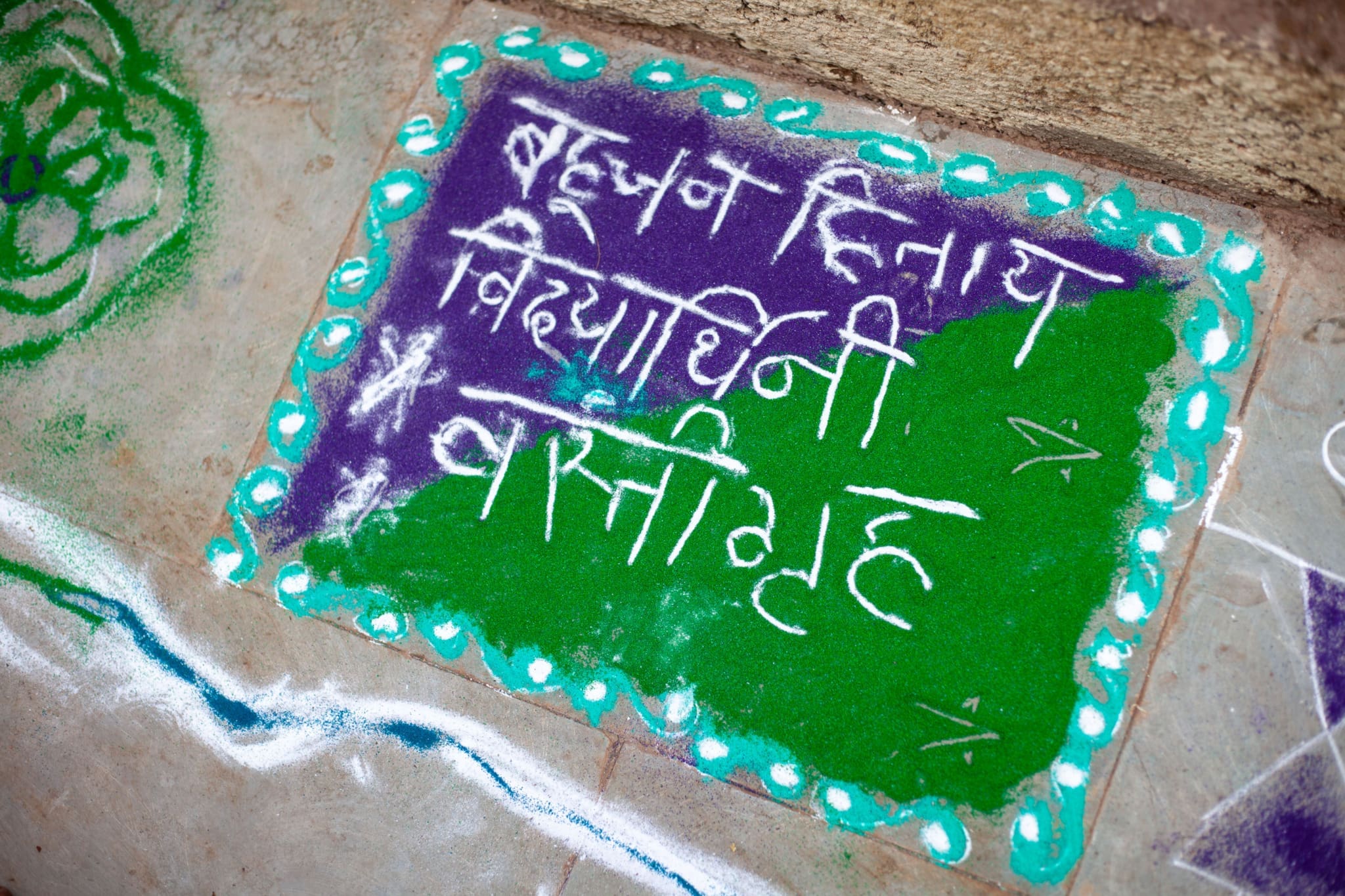
Documentation of the work ‘Unhatanhat no more, no longer Upashitapashi’ by Rajyashri Goody
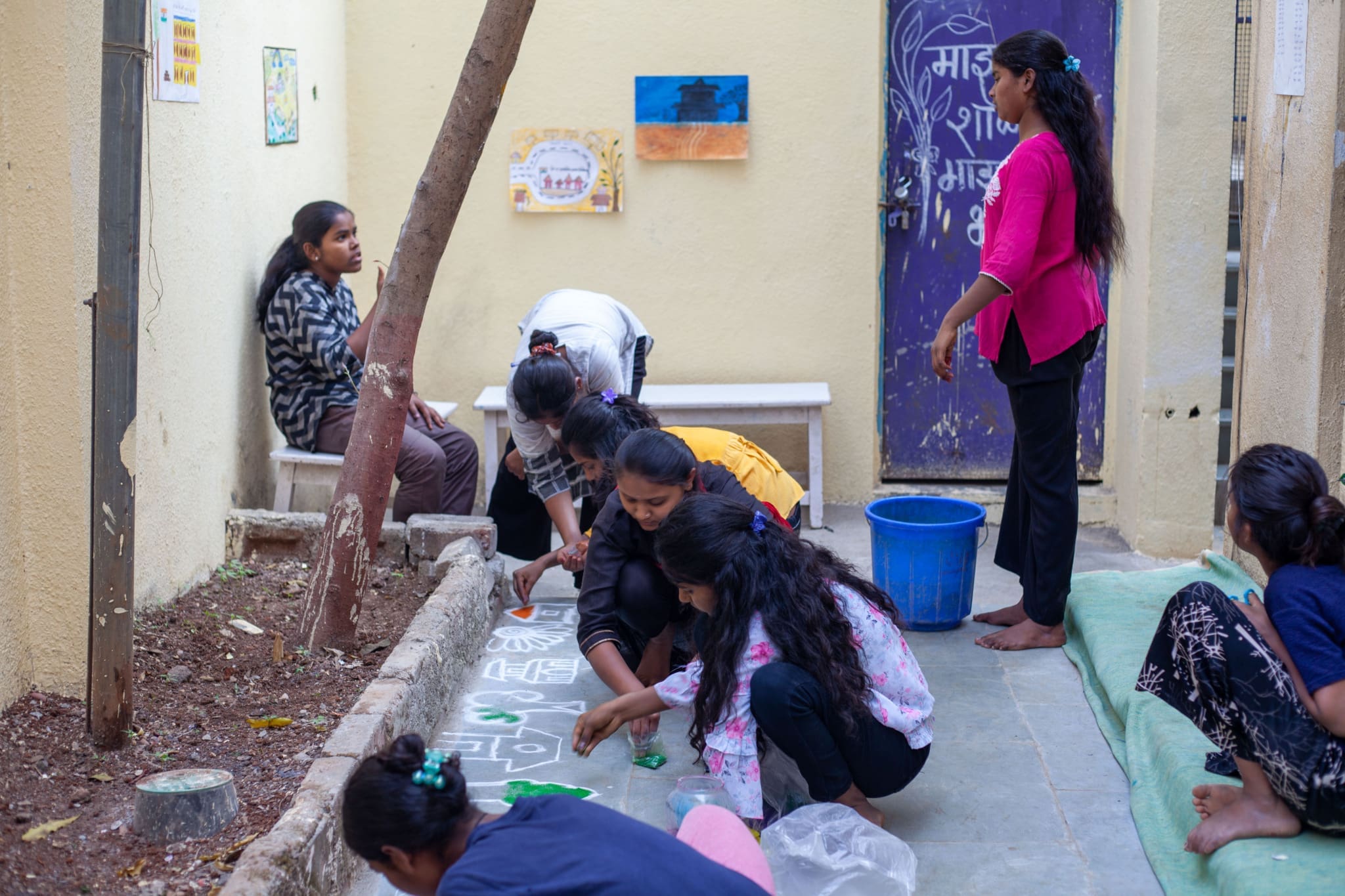
Documentation of the work ‘Unhatanhat no more, no longer Upashitapashi’ by Rajyashri Goody
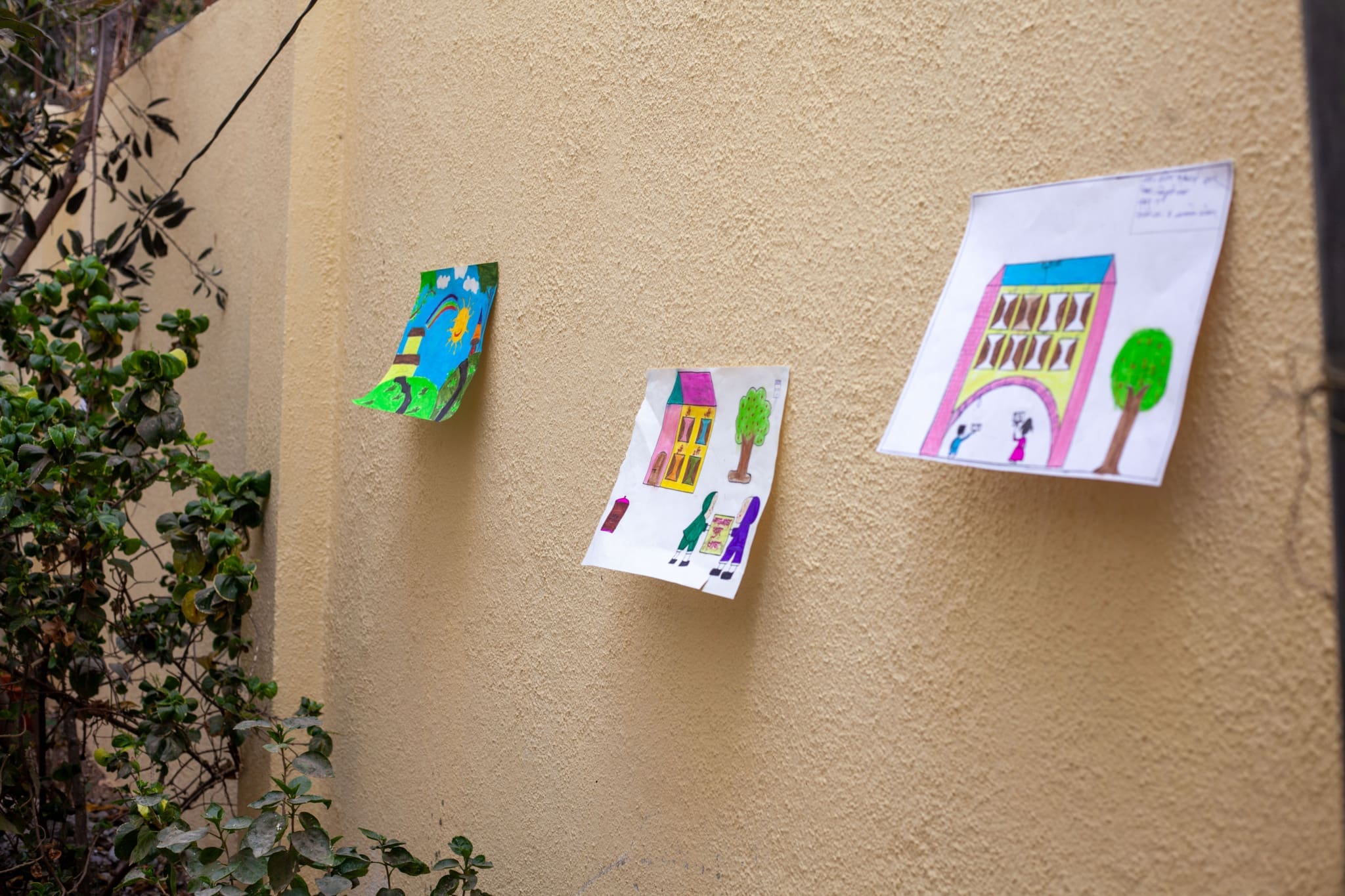
Documentation of the work ‘Unhatanhat no more, no longer Upashitapashi’ by Rajyashri Goody
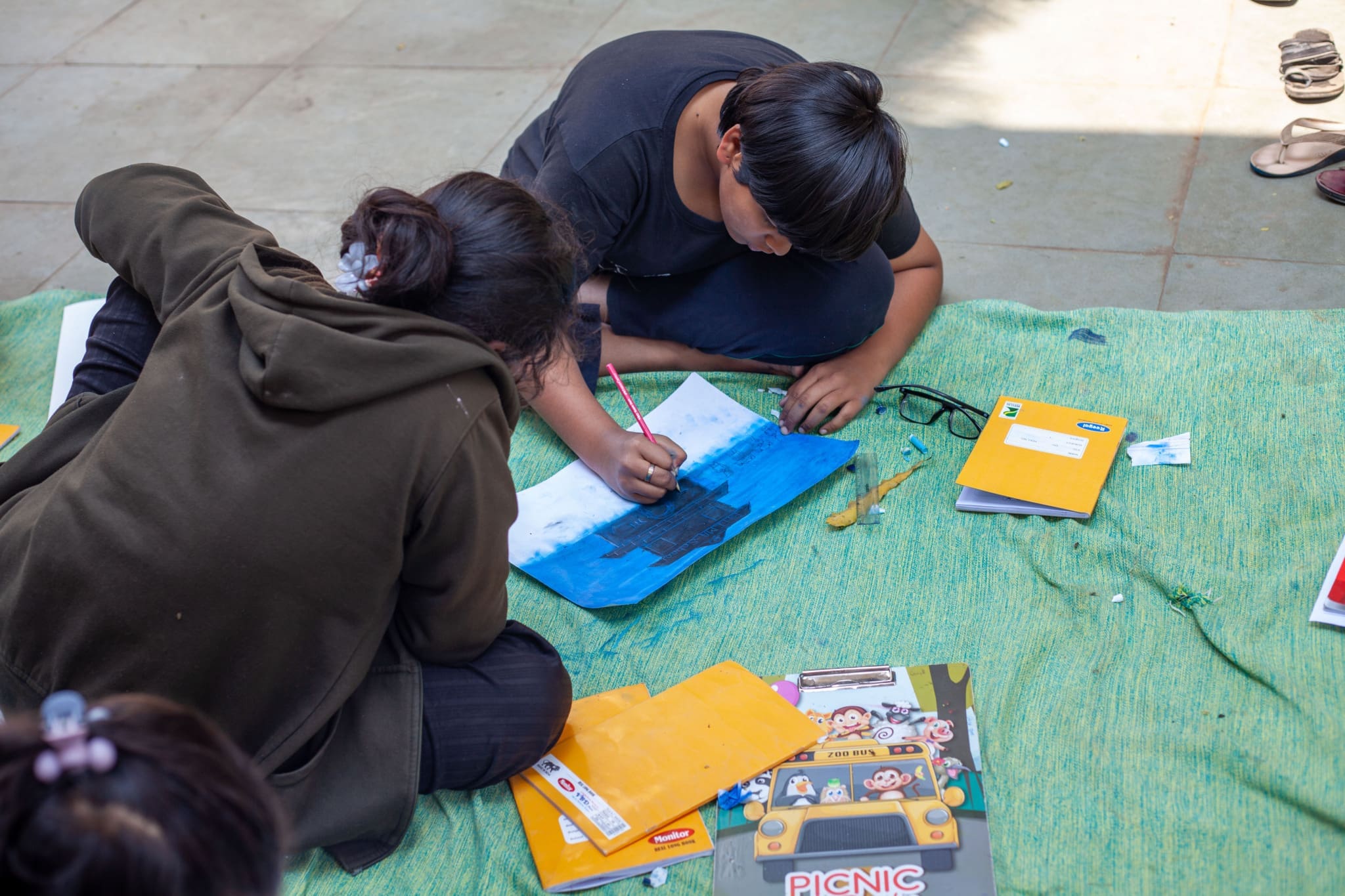
Documentation of the work ‘Unhatanhat no more, no longer Upashitapashi’ by Rajyashri Goody
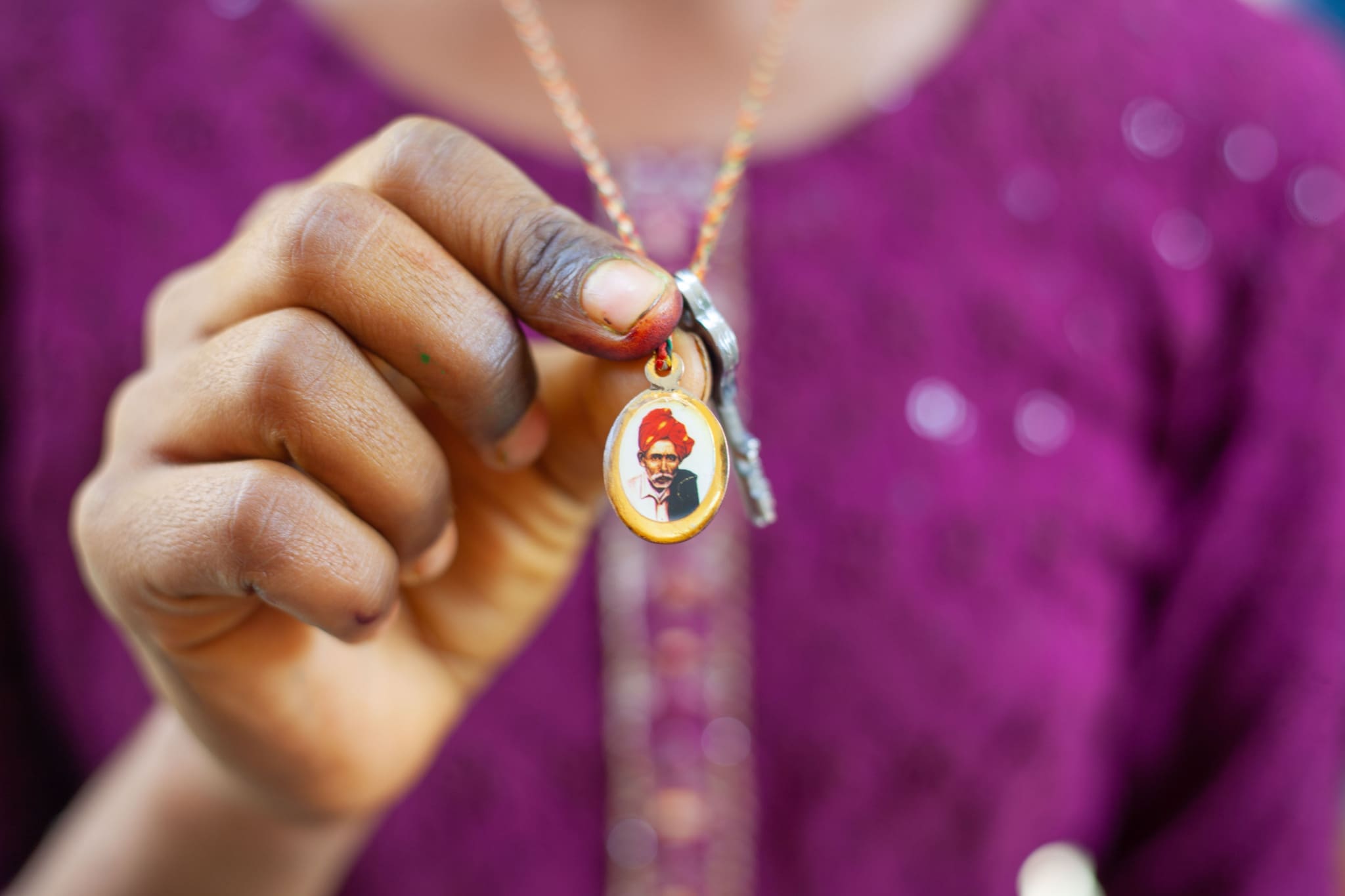
Documentation of the work ‘Unhatanhat no more, no longer Upashitapashi’ by Rajyashri Goody
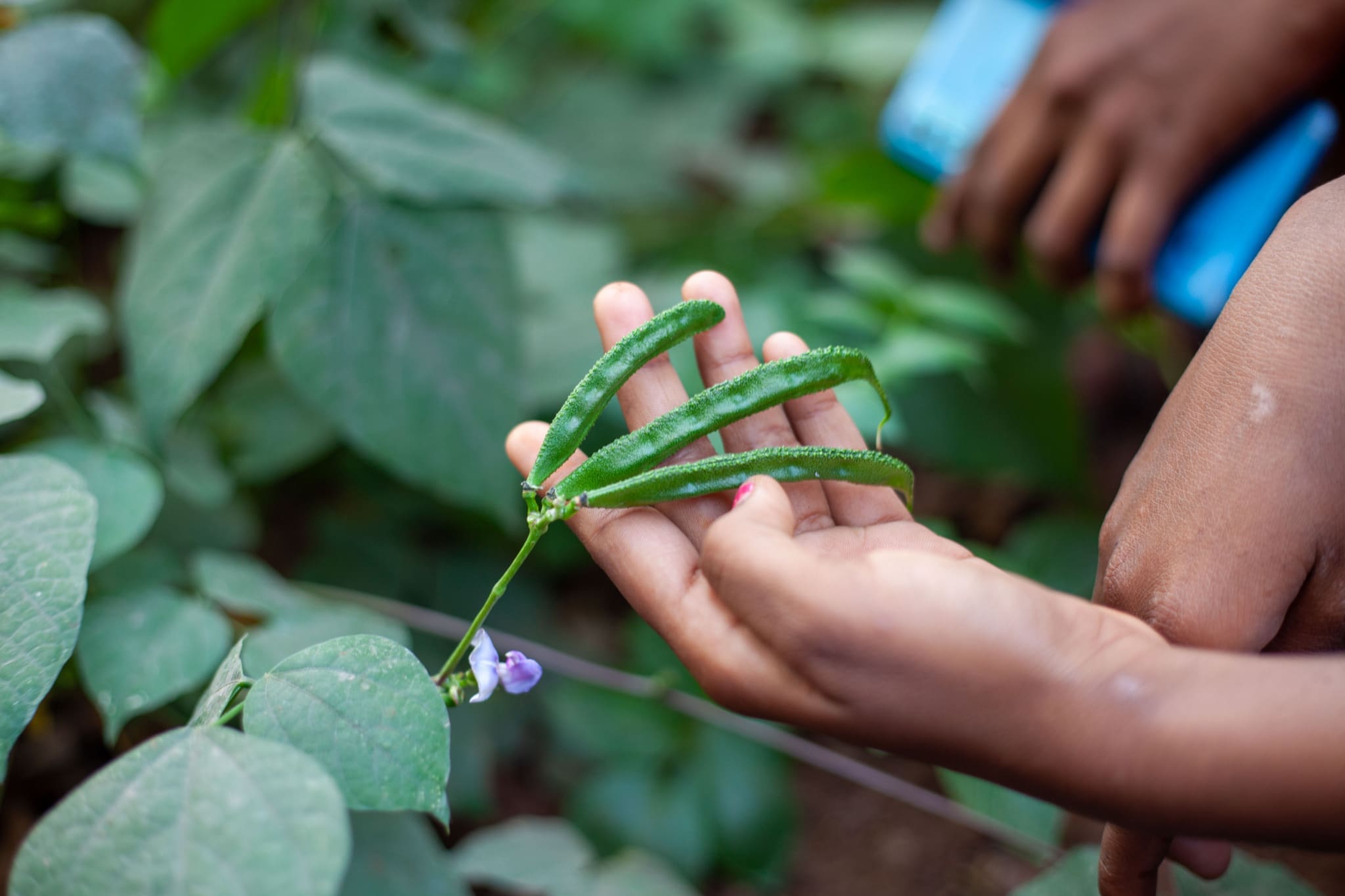
Documentation of the work ‘Unhatanhat no more, no longer Upashitapashi’ by Rajyashri Goody
Credits
The recipes in Unhatanhat no more, no longer Upashitapashi have been drawn from:
Hostel workshop participants:
Aaditi L. Kandagle
Abhilash S. Ambekar
Akshata D. Kakare
Dipali S. Waghmare
Divya S. Kulal
Kamal B. Margale
Manisha S. Magar
Nandini P. Khandare
Pallavi P. Ingle
Prajakta R. Zore
Pranjal N. Gogade
Priya A. Zore
Priyank D. Shingade
Purva S. Jadhav
Saayli S. Bavdhane
Sakshi D. Magale
Sakshi G. Mannade
Sakshi S. Lahute
Samruddhi S. Sonawane
Sambodhi S. Mithare
Saniya V. Thikde
Shraddha S. Kamble
Shweta M. Randive
Sonali R. Bavdhane
Srushti S. Jadhav
Tanushka S. Kulal
Vaishnavi D. Sonawane
Vandana C. Bethekar
Maharashtrian Dalit female writers:
Baby Kamble
Kumud Pawde
Mukta Salve
Mukta Sarvagod
Shantabai Dhanaji Dani
Shantabai Krushnaji Kamble
Urmila Pawar
Gratitude and thanks to:
The hostel staff and management:
Diksha Ingale, Shweta Bhandare, Vaishali Kudekar
Workshop facilitators:
Abhijit Patil, Sheena Maria Piedade
Translation support:
Abhijit Patil, Roshan Ganu
Technical support:
Bosco BB, Joe John Matthew, Mithun Jayaraj, Datta Harmalkar
Additional support and guidance:
Abhijit Patil, Afrah Shafiq, Avani Tanya, Bosco BB, Osheen Siva, Roshan Ganu, Sheena Maria
Piedade
My parents, Lokamitra and Vishakha