Rose Afefé
How to Create a Tradition – Chapter 1: the party is everywhere (2026)
In How to Create a Tradition, Rose Afefé unfolds a speculative approach to tradition-building grounded in Terra Afefé, her adobe micro-city in the state of Bahia, Brazil. Terra Afefé operates as a living structure shaped through communal labour and shared-making, sustained by proximity to the land, and continuously redefined through use. Art does not sit apart from life but emerges through it, embedded in the rhythms and material conditions of everyday practice.
Drawing on the logic of Sankofa, the act of returning to the past in order to move forward, Rose Afefé initiates a collective process inventing a new tradition. Through mask-making workshops with local children, she proposes the beginning of a new ritual: not in a restricting form, but as something provisional, rehearsed, and collectively authored.
The work resonates with Stuart Hall’s understanding of culture as “not a matter of ontology, of being, but of becoming”. Cultural identity is always in process, through ongoing positioning and relation. In this sense, tradition is not something preserved intact, but actively made and remade through lived encounter. Afefé’s project inhabits this condition directly, treating tradition as an open structure of becoming rather than a closed inheritance, constructed in the present, through need, interest, repetition, shared participation, through the patterns of daily life.
The proposition that “the party is everywhere” reframes celebration as inseparable from labour, making, and being. Rather than a moment of rupture from daily life, the party becomes a condition that runs through it and makes itself present in the details. This is where Afefé locates what she describes as a liberatory poetics: a mode of being that resists the disciplining structures of the working day and opens space for pleasure, improvisation, and excess.
The making of masks becomes part of this process. As the children inhabit the masks, they move beyond prescribed behaviours, reclaiming spontaneity and joy. The body moves beyond practical purpose into play. The mask does not conceal identity so much as redistribute it, allowing the individual to enter into a shared, collective body.
The resulting images hold a tension between worlds: the saturated colours of the masks cut through the soft, earthen tones of the adobe architecture and the surrounding green landscape. Within this contrast, there are a sign of social, aesthetic, and relational abundance. What emerges is a practice of tradition as something continuously created in the present, together.
Rose Afefé
Rose Afefé is a visual artist from Bahia, Brazil. Working across installation, painting, and photography, her practice is rooted in the activation of memory, territory, and collective knowledge. She is the creator of Terra Afefé, an ongoing, human-scale micro-city built with earth using traditional adobe techniques and lime painting, located in the rural area of Ibicoara, in the Chapada Diamantina region. Conceived as a living artwork, Terra Afefé operates as a space of encounter and coexistence, where art and life intersect through local knowledge, nature, and shared processes.
Documentation
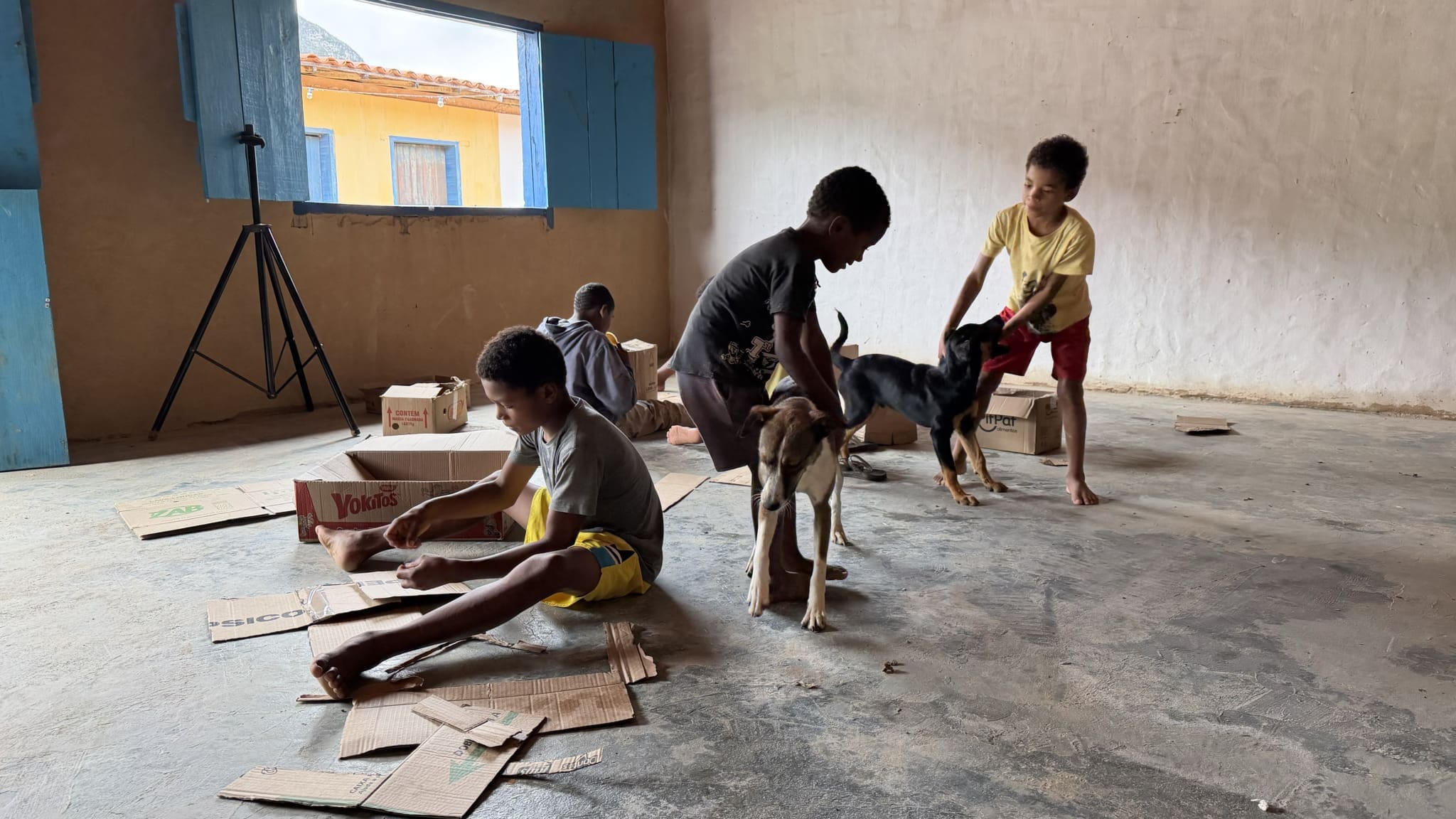
Documentation of the work ‘How to Create a Tradition’ by Rose Afefé
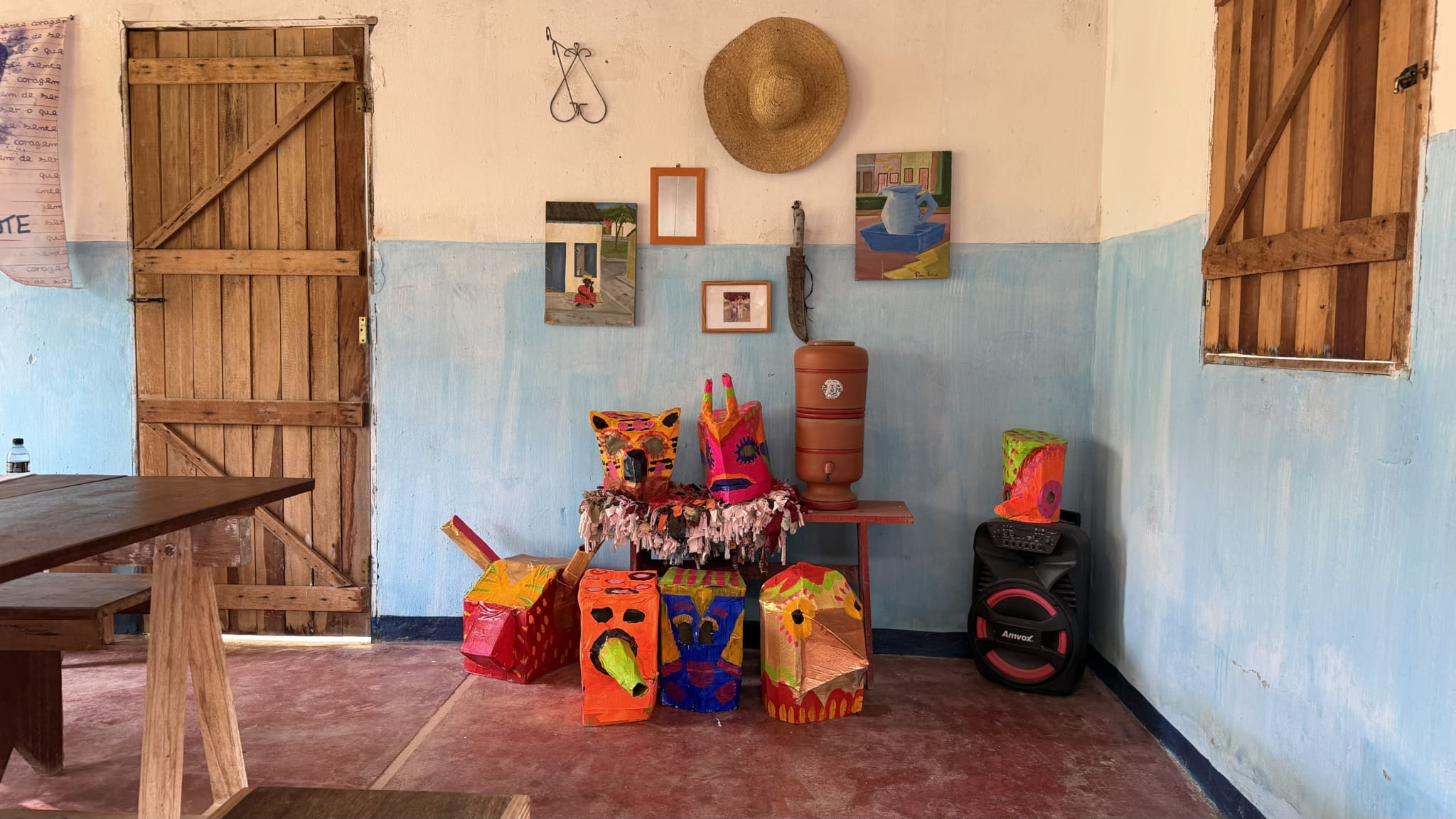
Documentation of the work ‘How to Create a Tradition’ by Rose Afefé
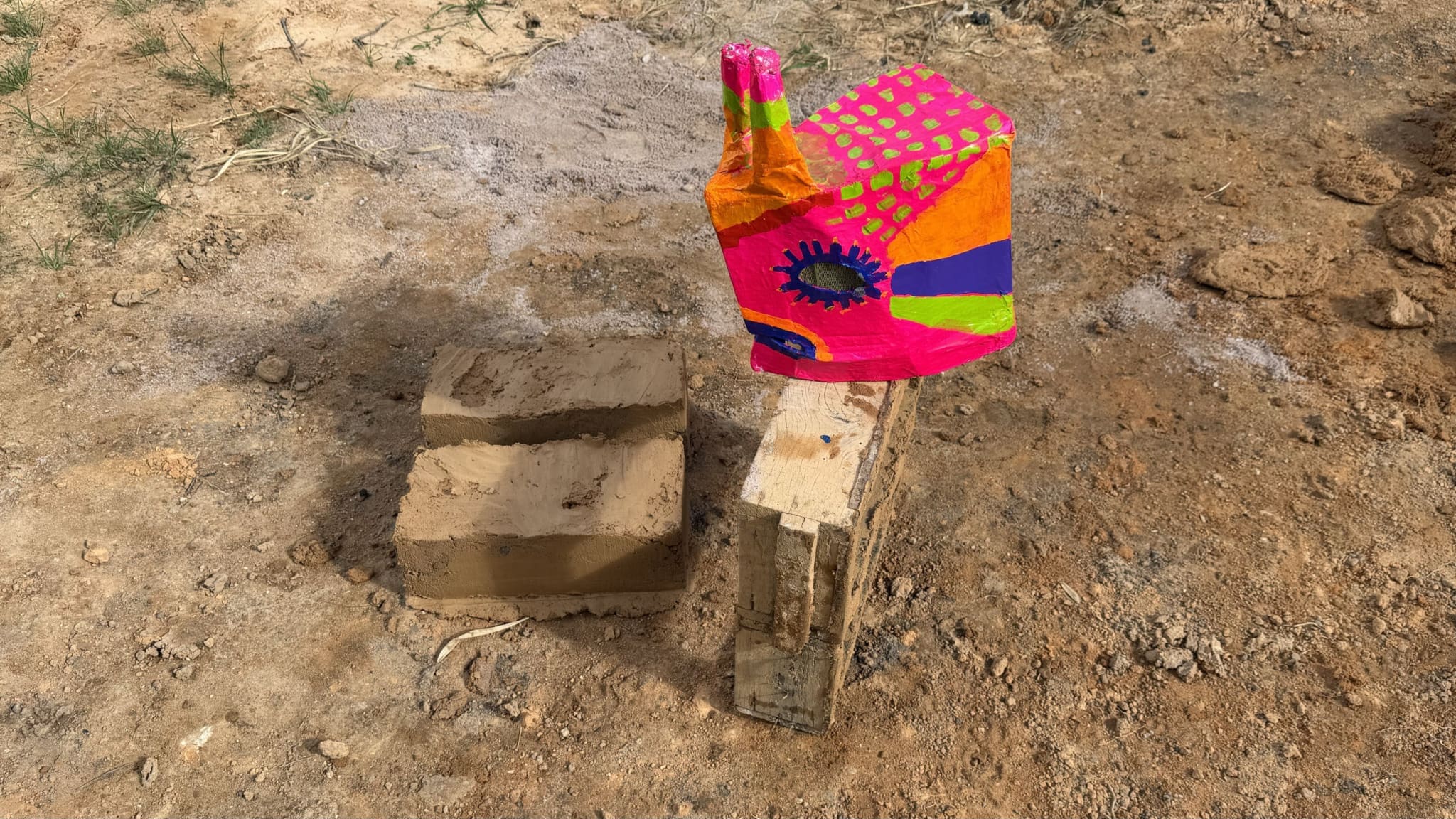
Documentation of the work ‘How to Create a Tradition’ by Rose Afefé
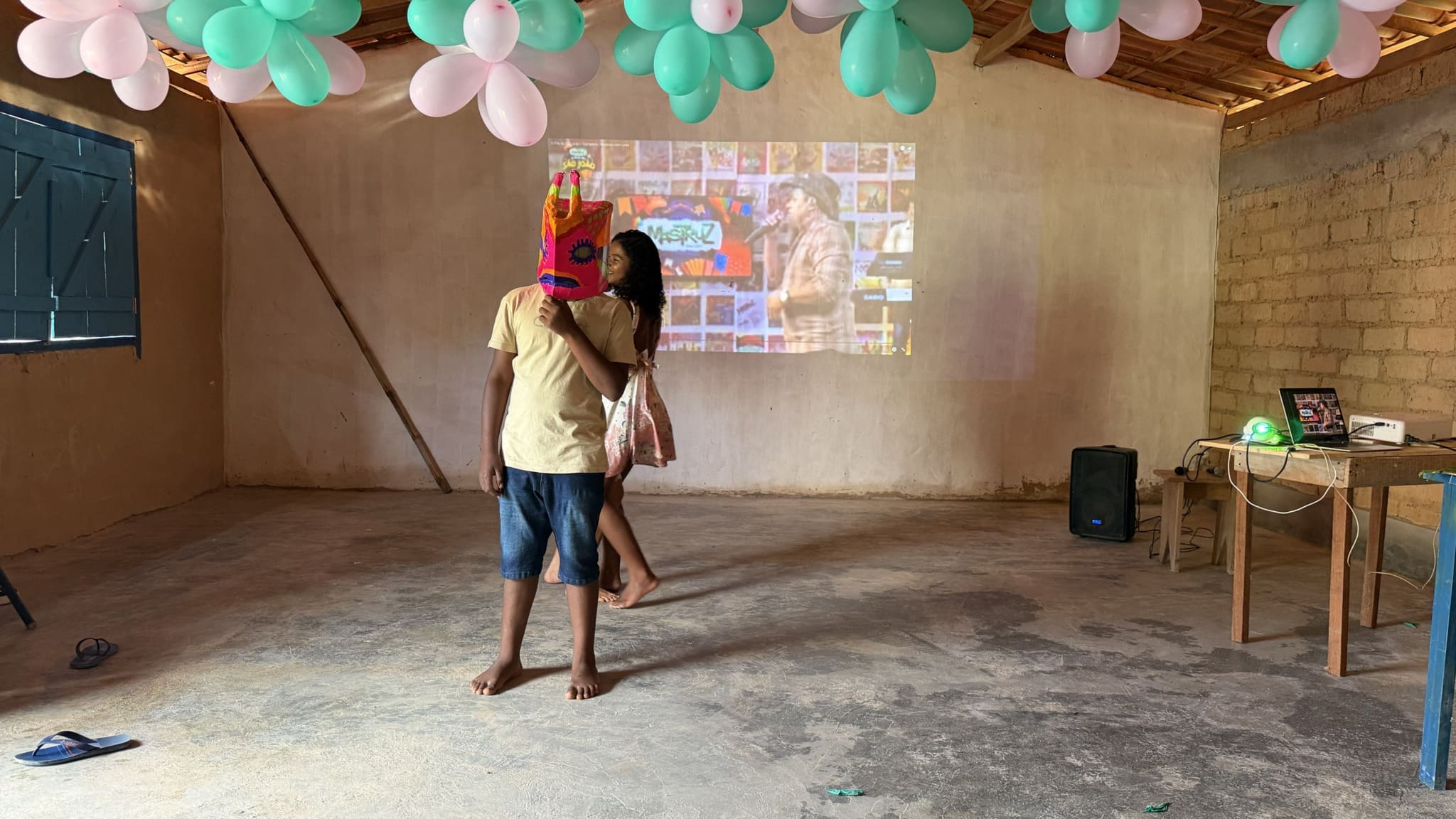
Documentation of the work ‘How to Create a Tradition’ by Rose Afefé
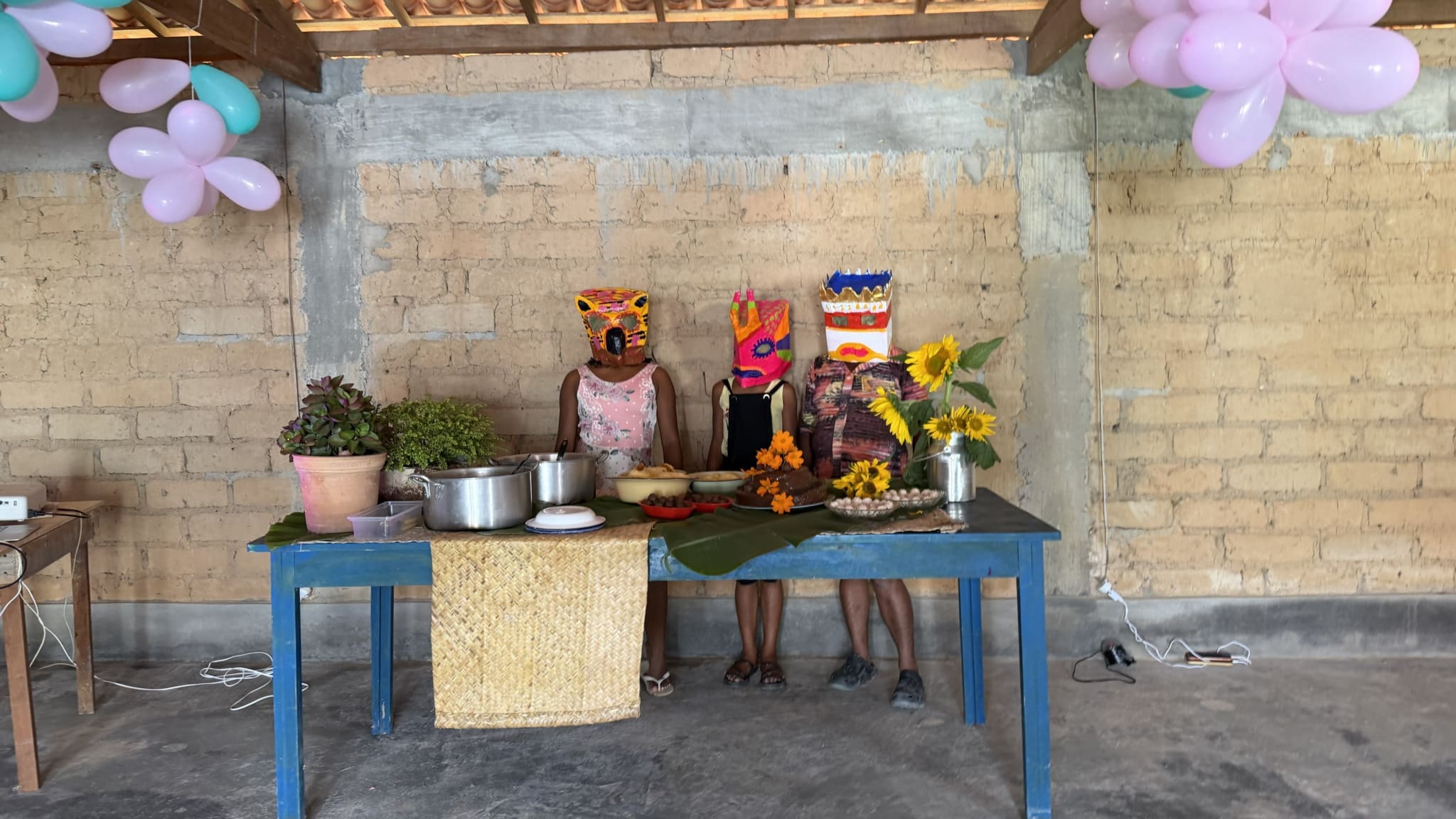
Documentation of the work ‘How to Create a Tradition’ by Rose Afefé
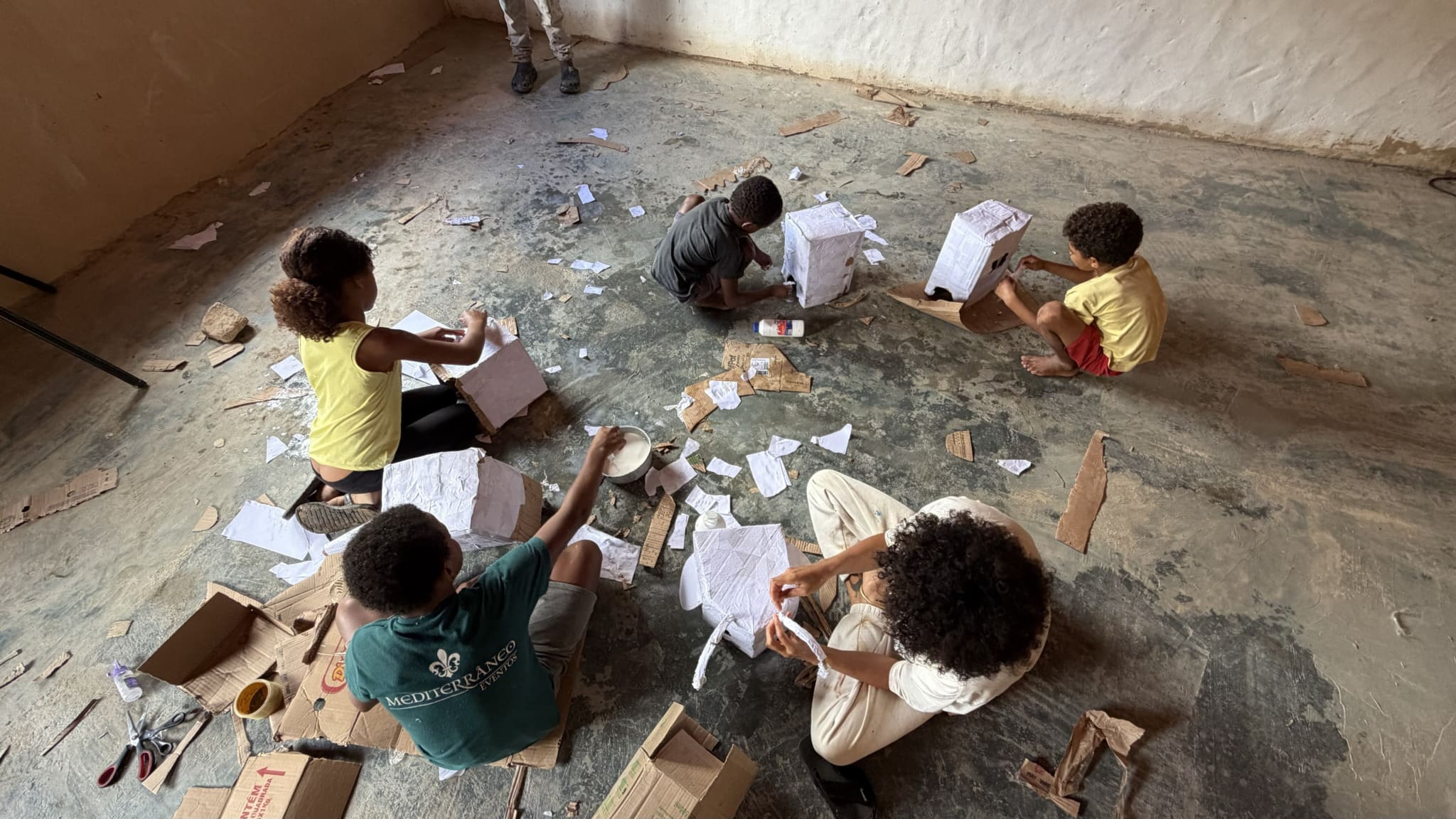
Documentation of the work ‘How to Create a Tradition’ by Rose Afefé
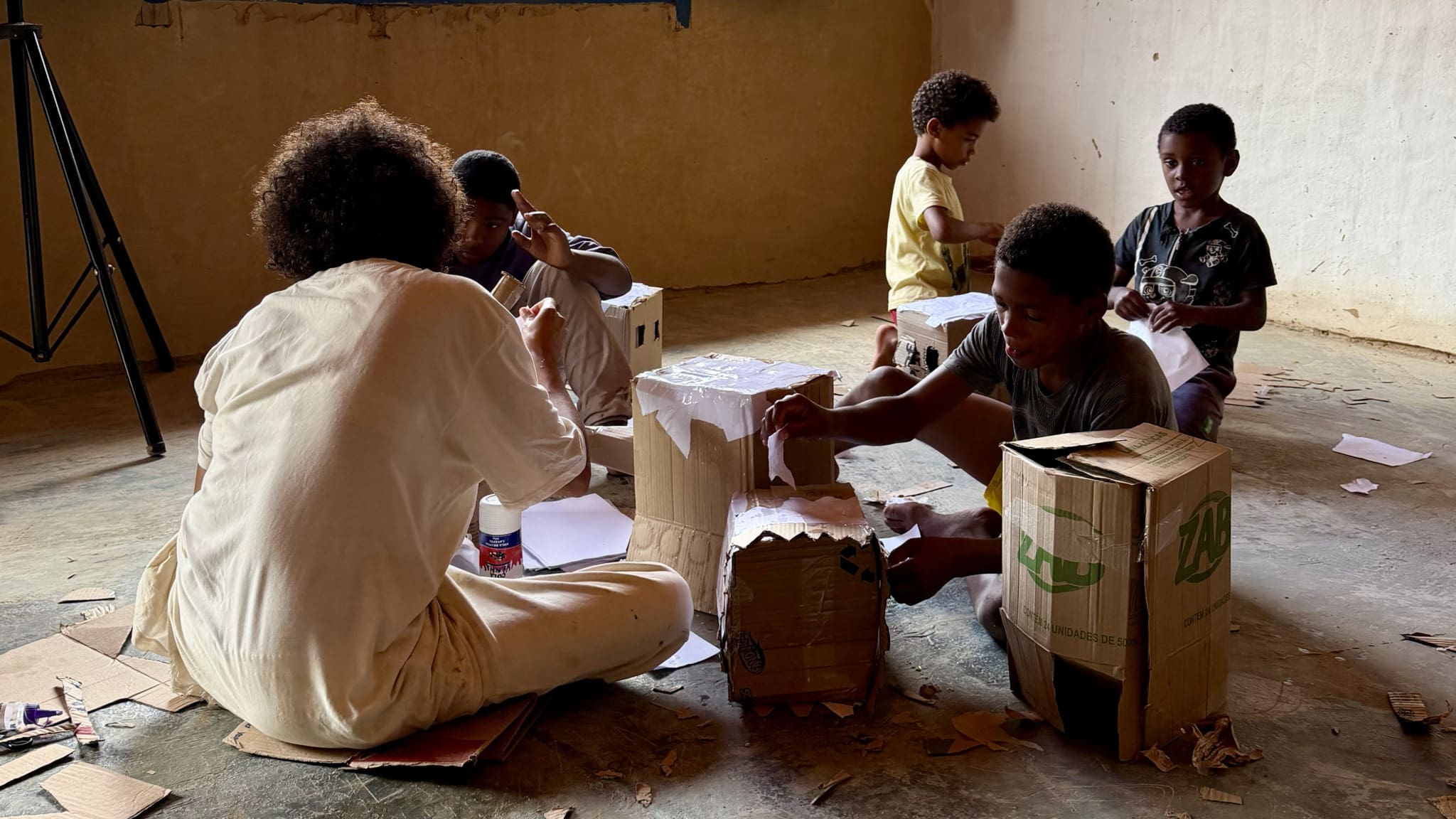
Documentation of the work ‘How to Create a Tradition’ by Rose Afefé
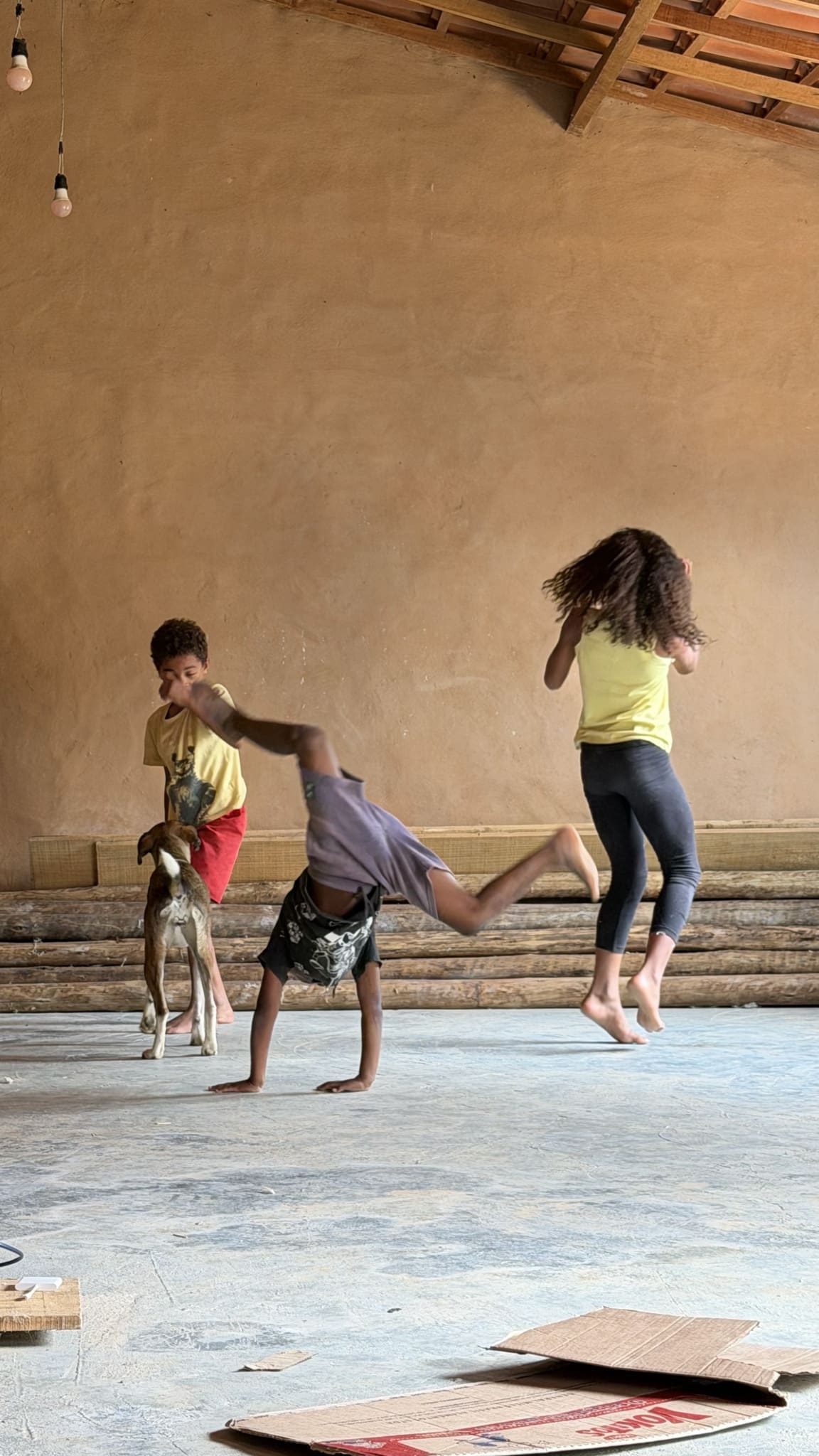
Documentation of the work ‘How to Create a Tradition’ by Rose Afefé
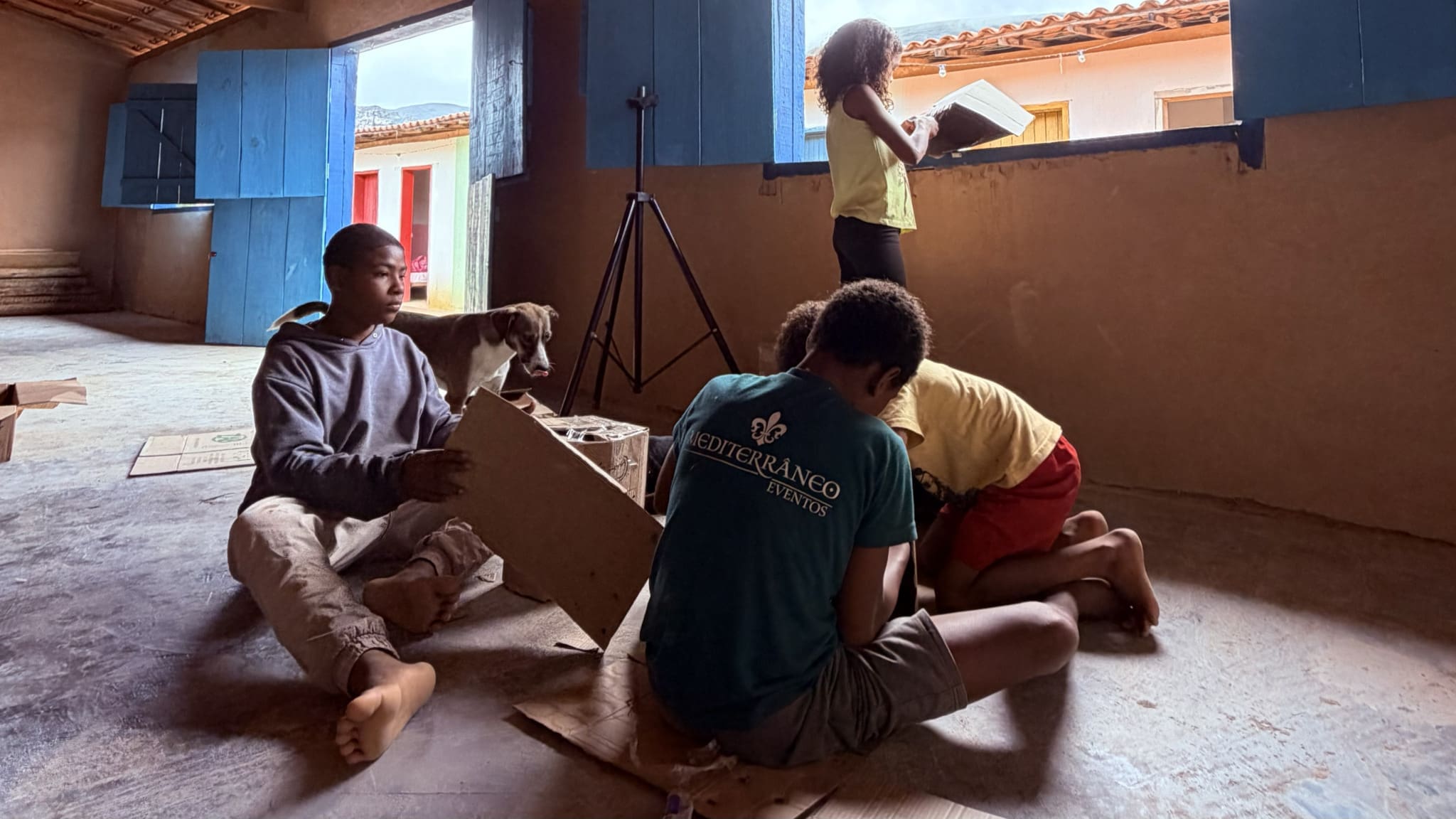
Documentation of the work ‘How to Create a Tradition’ by Rose Afefé
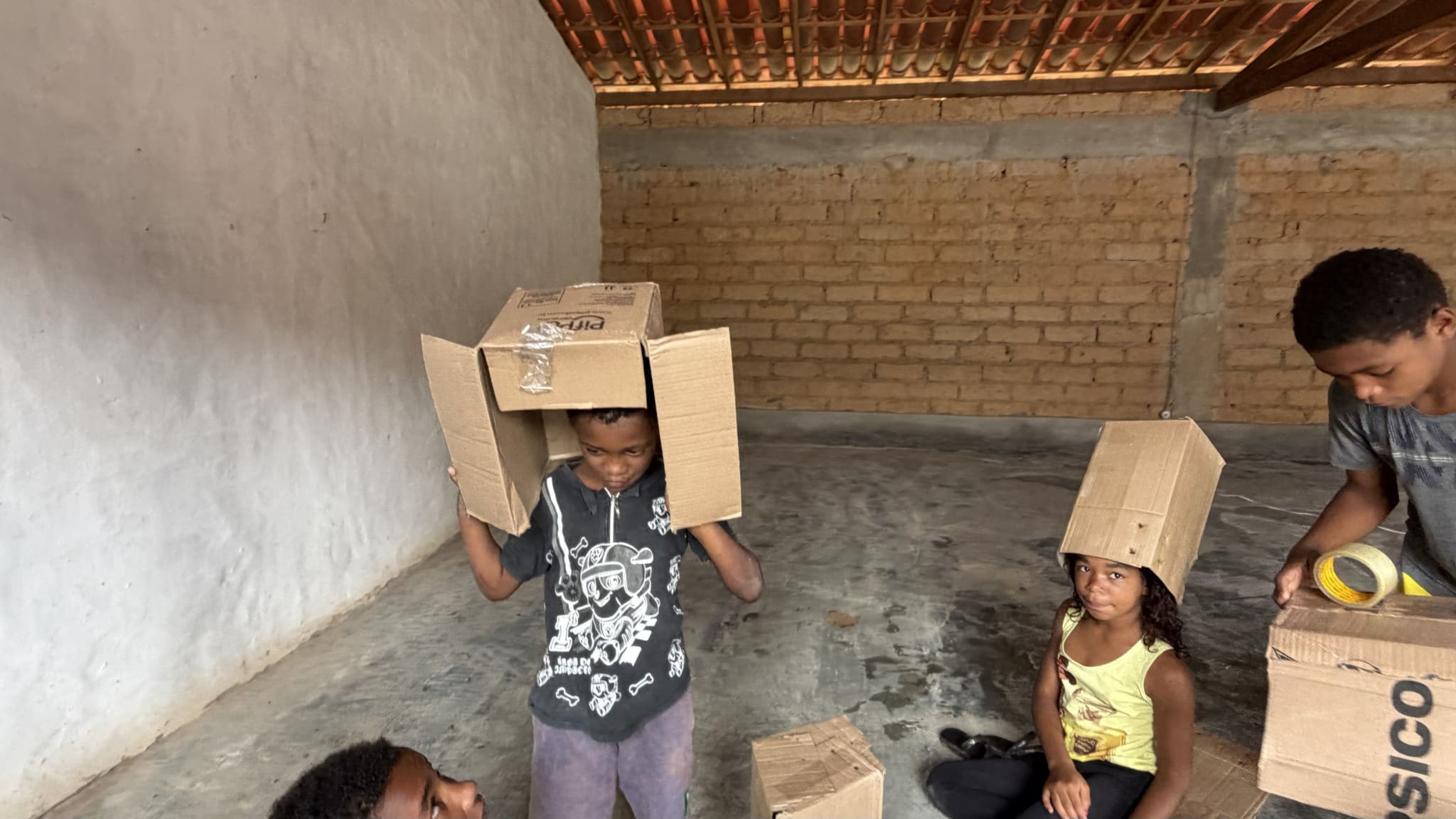
Documentation of the work ‘How to Create a Tradition’ by Rose Afefé
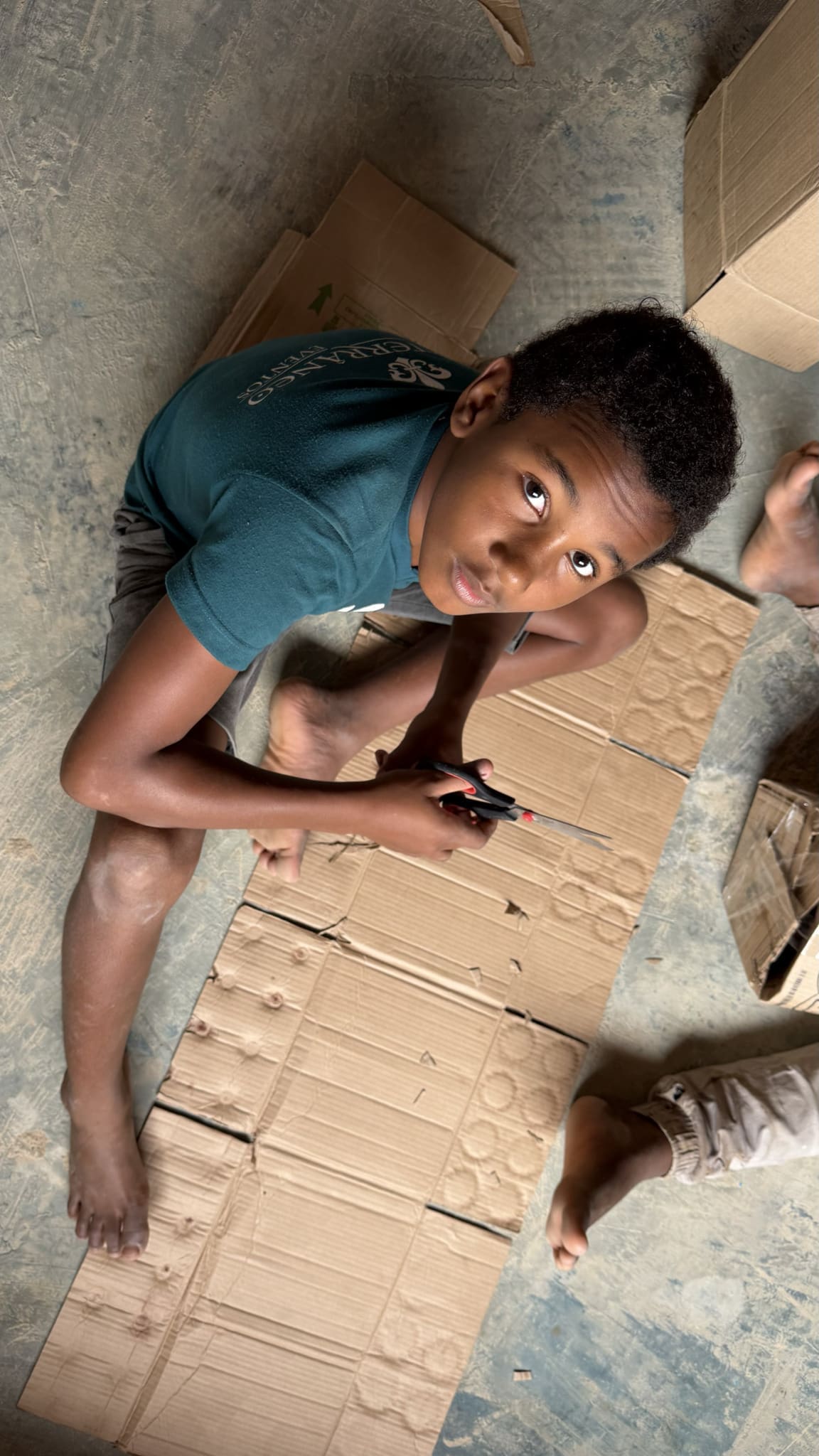
Documentation of the work ‘How to Create a Tradition’ by Rose Afefé